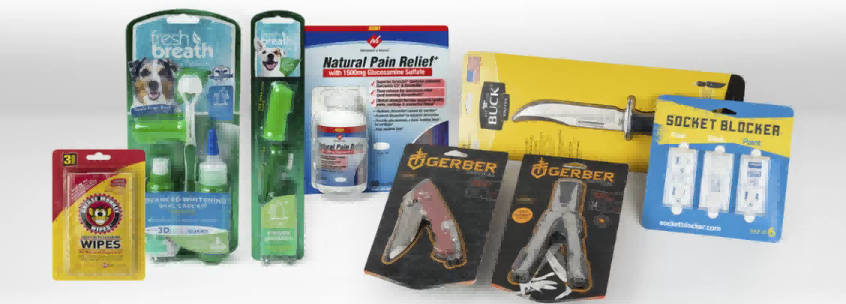
Traditional vacuum packaging is called a face blister, with various shapes of plastic on the front and cardboard on the back. The plastic blister is fixed on the front of the cardboard to accommodate and protect the product. A typical blister packaging typically consists of two parts: Bubble cover: It is a molded transparent plastic shell that serves as the main body of packaging, used to hold and...
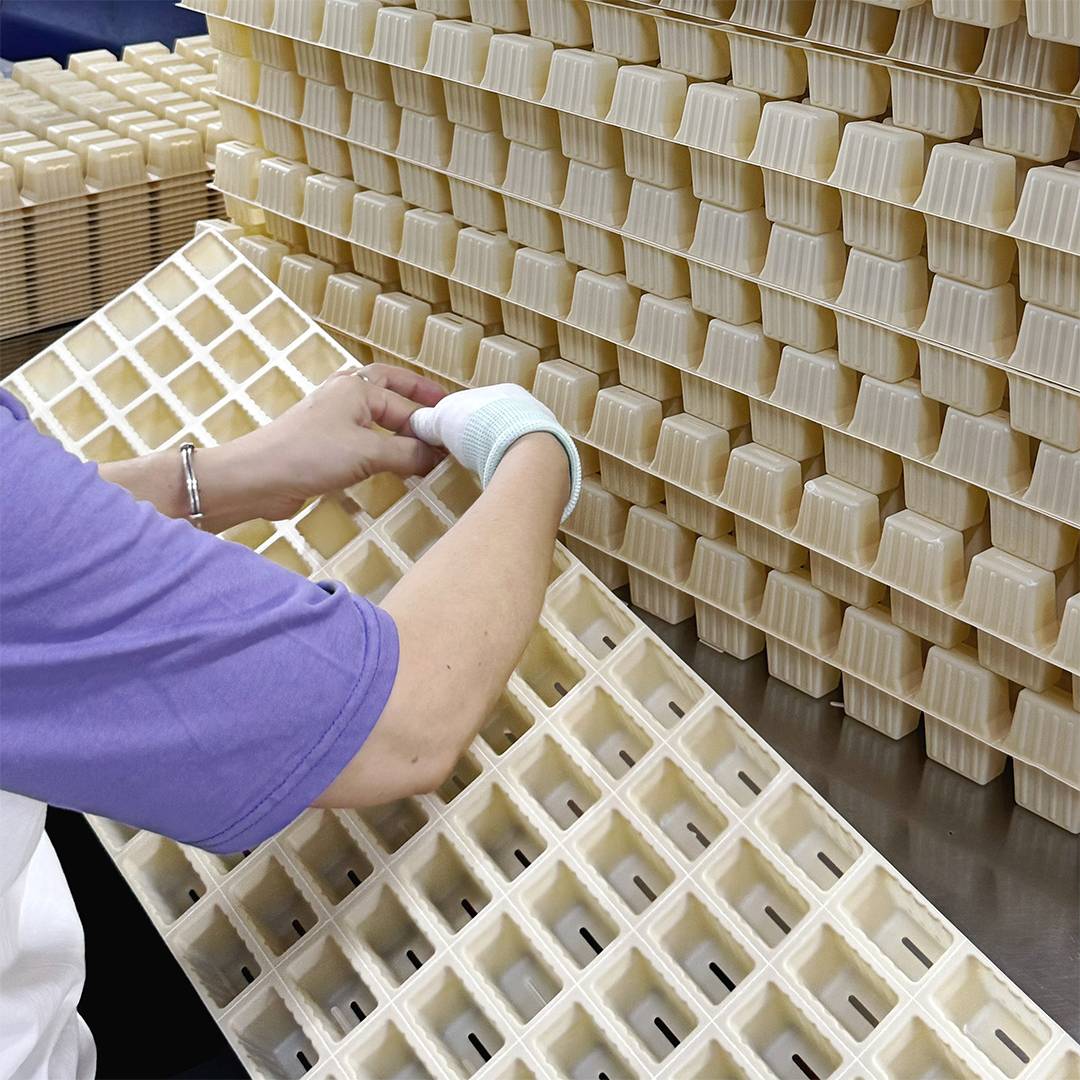
With the implementation of global dual carbon policies and the continuous upgrading of plastic restriction regulations, the new PPWR regulations of the European Union, the ban on agricultural plastics in California, and the comprehensive implementation of domestic agricultural plastic pollution control policies, traditional PET and PS plastic seedling trays are facing the dual dilemma of export re...
Rosinpack has been deeply involved in customized food vacuum forming for 17+ years. We have developed exclusive low-temperature resistant vacuum forming trays for crayfish using the -196 ℃ high-speed liquid nitrogen freshness locking process. From workshop quick freezing, cold storage, long-distance cold chain to supermarket terminal full chain adaptation, we provide one-stop solutions to the pain...
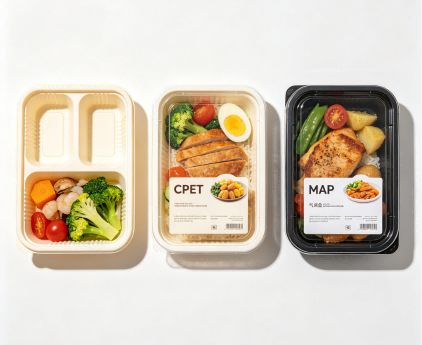
Comparison of Production Processes: PP Hinged Food Containers, CPET Trays & MAP Modified Atmosphere Packaging Boxes 1. PP Hinged Food Containers (Disposable Takeaway Packaging) Simplest production workflow. PP pellets require no drying and are directly fed into machines. Integrated injection molding at 180–230°C forms container and lid in one piece, cooled rapidly by water. Tr...
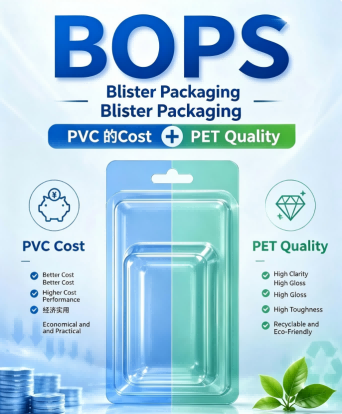
PVC blister, which once dominated the market, is gradually phasing out of the mainstream due to environmental drawbacks and compliance limitations. As an ideal alternative to PVC, BOPS stands out with comprehensive performance. It has gained huge popularity in Europe, America, Japan and other developed markets, and now occupies an irreplaceable position in the domestic packaging field, becoming a ...
In the production, circulation, warehousing and transportation of 3C electronics, semiconductors, precision hardware, and PCB circuits, static electricity acts as an “invisible killer” for precision components. Even minor electrostatic discharge may cause chip breakdown, short circuits and component scrap, leading to huge losses for manufacturers. Stable, compliant and well-fitt...
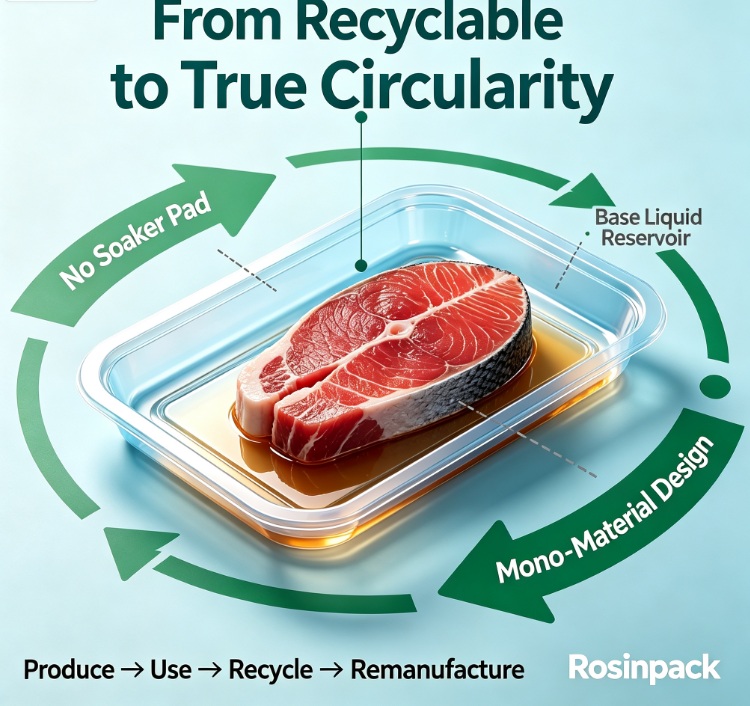
Against the backdrop of a growing global circular economy, EPR schemes and tightening overseas plastic‑restriction regulations, plastic trays for fresh meat and seafood are undergoing a fundamental transformation. Many fresh‑food packaging suppliers fall into a sustainability misconception: they believe that using recycled‑PET material and labelling products “recyclable” is enoug...
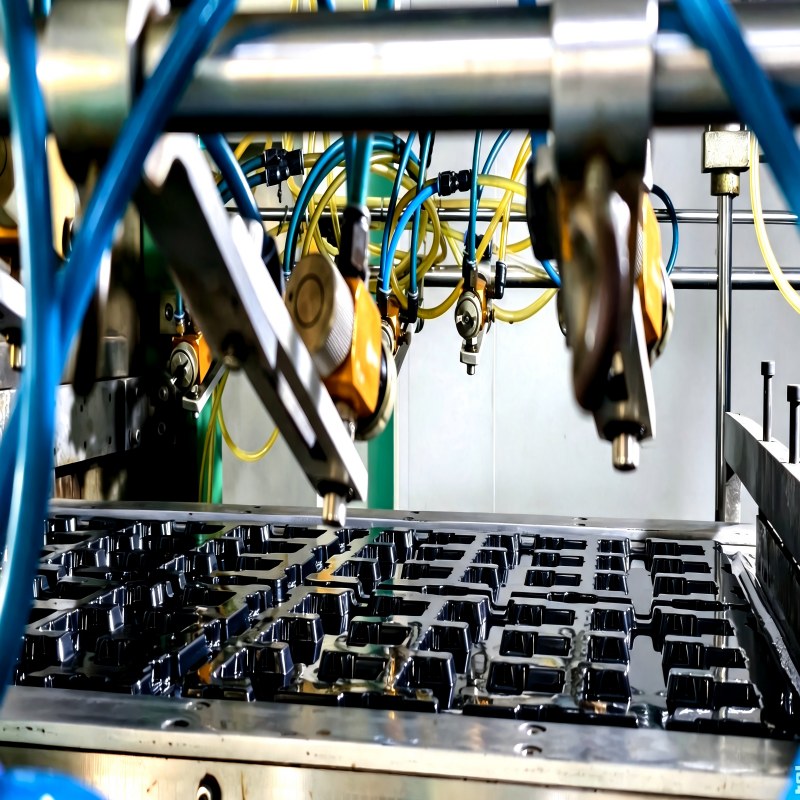
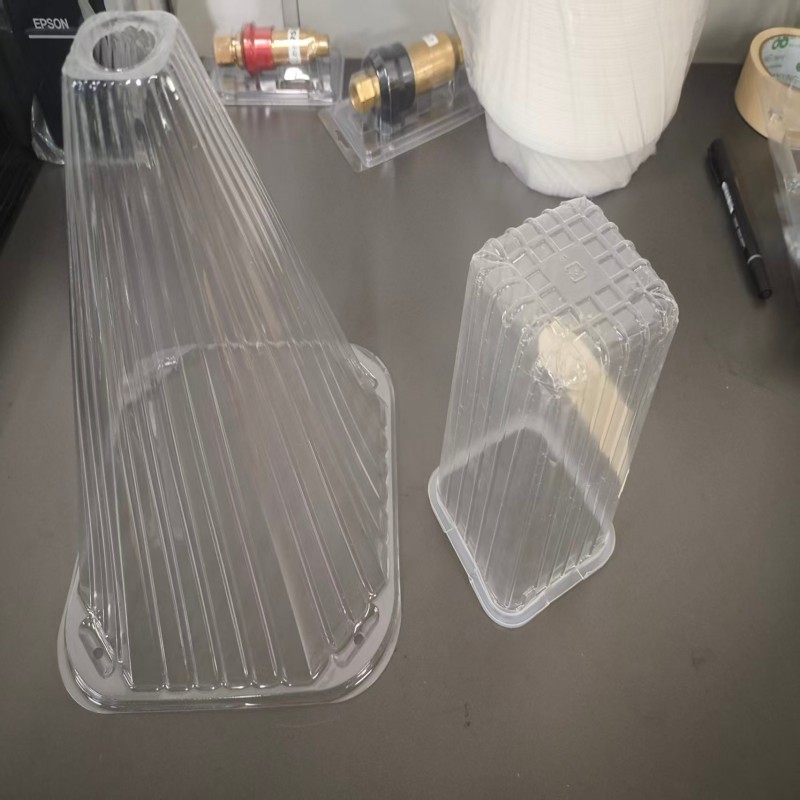
In the thermoforming industry, deep-drawn food containers, fresh meat trays and deep-cavity products have always been the best test of manufacturing craftsmanship. With the same sheet material, some factories produce finished parts with uniform wall thickness and flawless appearance, while many others face consistent issues. Products can be formed barely qualified, yet suffer from thin side...


 English
 français
 العربية