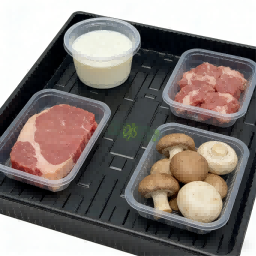
After 20 years of deep cultivation, Rosinpack packaging empowers global farm economy revitalization with the power of vacuum forming As the global farm economy enters a new stage of large-scale and refined development, from fresh meat preservation in beef cattle breeding to standardized storage and transportation of edible fungi cultivation, from seedling protection in grassland breeding to cross-...
The phenomenon of "scissor gap" in March 2026: The impact paths of PP and PETcommonly used in the vacuum forming industry are different The turmoil in the Middle East, especially the escalation of the US Iran conflict and the obstruction of shipping in the Strait of Hormuz, poses multiple challenges to thermoforming and vacuum forming product companies. As a midstream link in plastic processing, t...
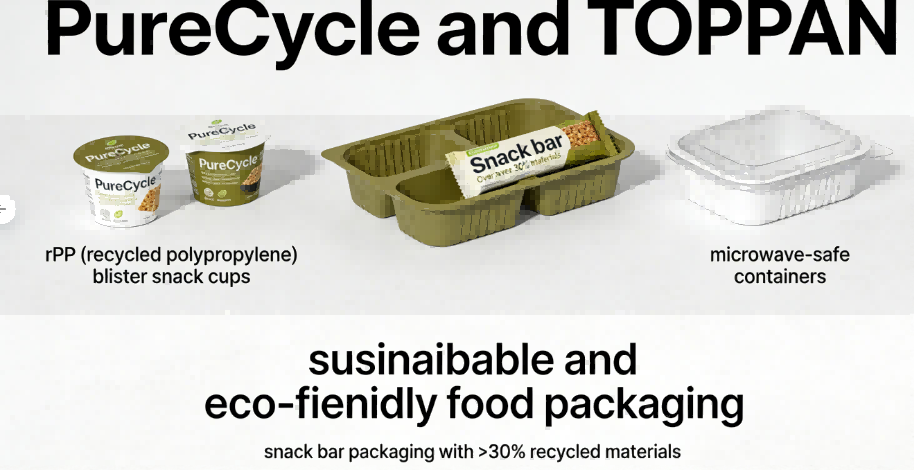
PureCycle partners with TOPPAN to embark on a new journey of sustainable food packaging In the current global trend of environmental protection, sustainable development has become an important issue that cannot be ignored in various industries, especially in the field of food packaging. PureCycle Technologies, a plastic recycling pioneer based in the United States, has teamed up with industry gian...
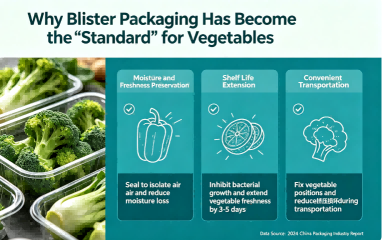
Why are more and more vegetables in supermarkets using vacuum packaging now, and what innovative technologies are used for these vegetable packaging? In the supermarket shelves of 2026, the reason why vacuum formed packaging dominates is not only for its appearance, but also for a series of material science and digital technology innovations hidden behind it. From the perspective of industry logic...
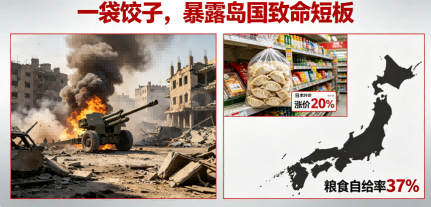
Have you ever thought about it? The distant conflicts in the Middle East can directly impact a bag of frozen dumplings or a bottle of seasoning sauce on supermarket shelves. At present, Japan is experiencing a real supply chain crisis. There are no exaggerated natural disasters or extreme food production declines—just the instability in the Middle East has plunged Japan's food industry into ...
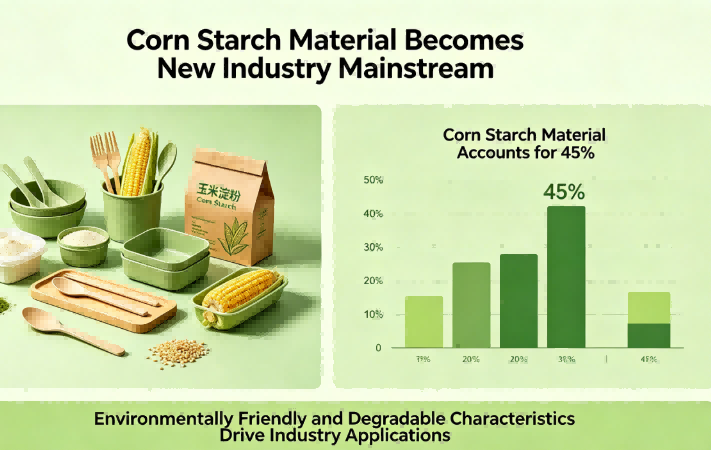
The comprehensive implementation of plastic restriction and prohibition policies, as well as increasingly strict environmental supervision, have long bid farewell to the era of relying solely on traditional PP, PS, and PVC in the vacuum forming industry. Nowadays, when choosing packaging for a brand, it's not just about appearance and price. Compliance, environmental protection, safety, and cost-e...
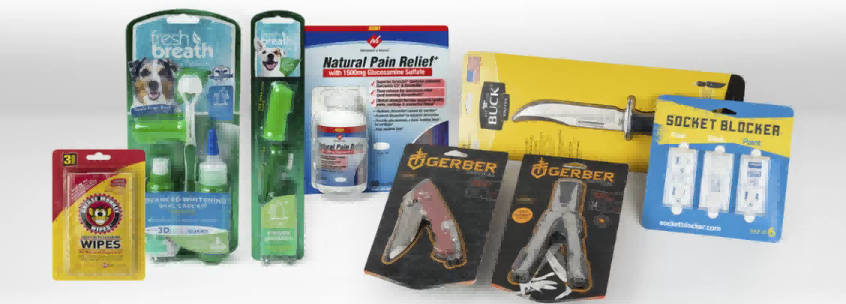
Traditional vacuum packaging is called a face blister, with various shapes of plastic on the front and cardboard on the back. The plastic blister is fixed on the front of the cardboard to accommodate and protect the product. A typical blister packaging typically consists of two parts: Bubble cover: It is a molded transparent plastic shell that serves as the main body of packaging, used to hold and...
The Chinese vacuum packaging market is undergoing an unprecedented structural transformation. According to data released by the Joint Research Industry Research Institute, the market size of China's vacuum formed products has reached approximately 95.9 billion yuan by 2025, with a year-on-year growth of 9.8% in the Chinese vacuum formed packaging products market. With the deepening of "Made in Chi...


 English
 français
 العربية