New Thermoformed Packaging for Ice Cubes & Whiskey Ice Balls Frozen Food Blister Pack Solution by Rosinpack

July 28, 2026
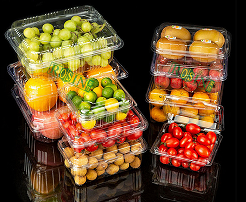
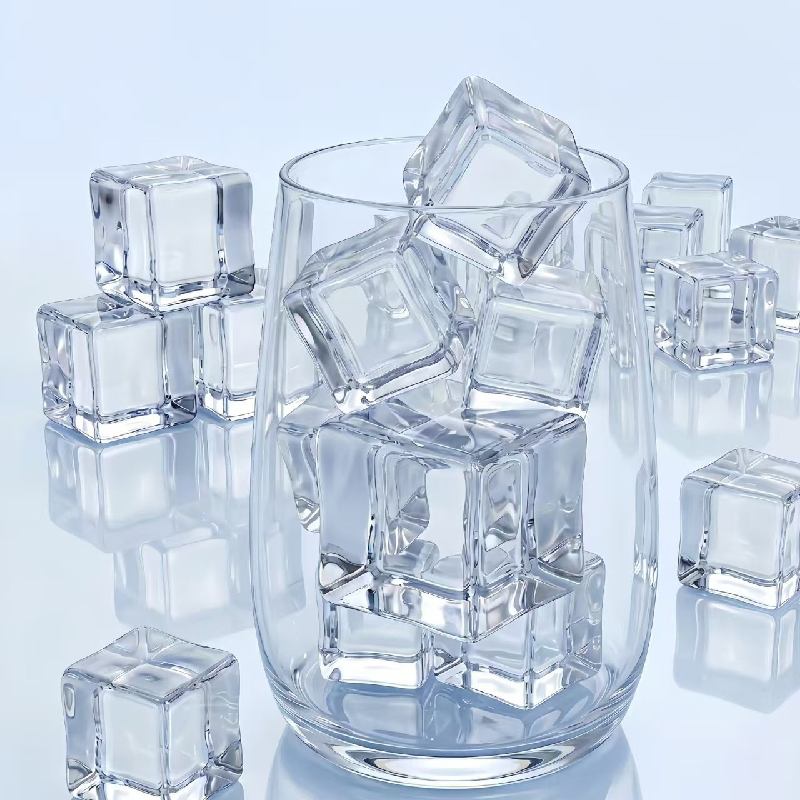
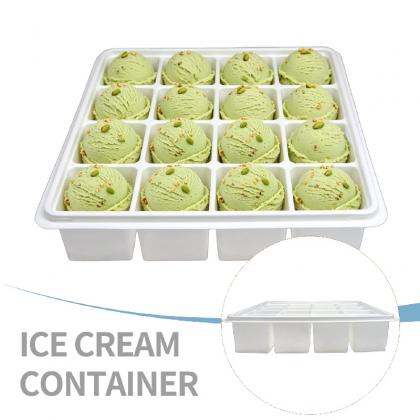
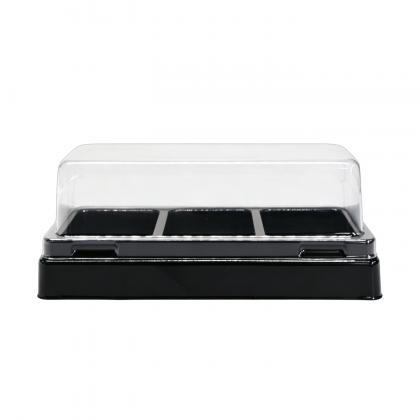
1、 Market background: High temperature heat waves drive rigid demand for edible ice packaging at home and abroad With the normalization of extreme heat weather worldwide, the sales of pre packaged ice cups, bagged edible ice cubes, and high quality ice hockey in domestic convenience stores have doubled year by year; The overseas markets in Europe, America, Australia, and Southeast Asia continue to have a high demand for standardized packaging of ice hockey, square ice, diamond ice, and giant slow melting ice due to the culture of iced coffee, whiskey cocktails, and cocktails, as well as commercial bars, catering chains, and high end hotels. Data shows that the global ice mold and pre packaged ice product market has a compound annual growth rate of over 5.3%. North America is the core consumer market, and pre packaged edible ice alone is directly classified as a food category by the FDA in the United States, with mandatory regulatory requirements for packaging safety, sealing, and low temperature tolerance. The pain points of traditional PE plastic bag packaging, such as easy puncture, water leakage, poor display appearance, and large loss due to ice crushing, are becoming increasingly prominent. Food grade vacuum formed rigid packaging has become an upgraded alternative to commercial pre packaged ice products, retail ready to eat ice cups, and high-quality shaped ice hockey. It has also become a key new product development track for Rosinpack this year. Core requirement breakdown Safety and compliance requirements: ice cubes can be directly consumed, and the packaging must pass FDA 21 CFR and EU 10/2011 food contact certification. It can withstand low temperatures of -20 ℃ without releasing harmful substances; Shortcomings in display appearance: Plastic bags cannot display the transparent ice hockey texture, low recognition of supermarket shelves, and weak premium ability; Insufficient shelf life: Ordinary single layer packaging has fast water vapor penetration, ice cubes are prone to adhesion and rapid melting, and the shelf sales cycle is short; Lack of scene segmentation: Large diameter whiskey ice hockey, block ice, irregular carved ice, single independent packaging, and lack of specialized shaped inner trays for whole box quantitative packaging. 2、 Rosinpack Ice Products Special Blister Packaging Material System Based on the mature hot forming co extrusion technology of the factory, three major material product lines are divided for long-term sub zero freezing and high water vapor environments of ice products, all of which can provide a complete set of export testing reports: 1. Basic universal version: Food grade brand new PET vacuum forming Material: Brand new high transparency PET sheet, no recycled impurities, passed FDA, EU food contact standards, modified formula for anti brittleness at -25 ℃ low temperature, and not easily cracked after repeated freeze-thaw cycles; Advantages: Ultra high transparency, transparent display of ice hockey...


 English
 français
 العربية